Proteus
Line by Line analysis
Read every paragraph of Proteus with plain-English translation and scholarly notes. Start with these three free previews.
Ineluctable modality of the visible: at least that if no more, thought through my eyes.
Stephen closed his eyes to hear his boots crush crackling wrack and shells.
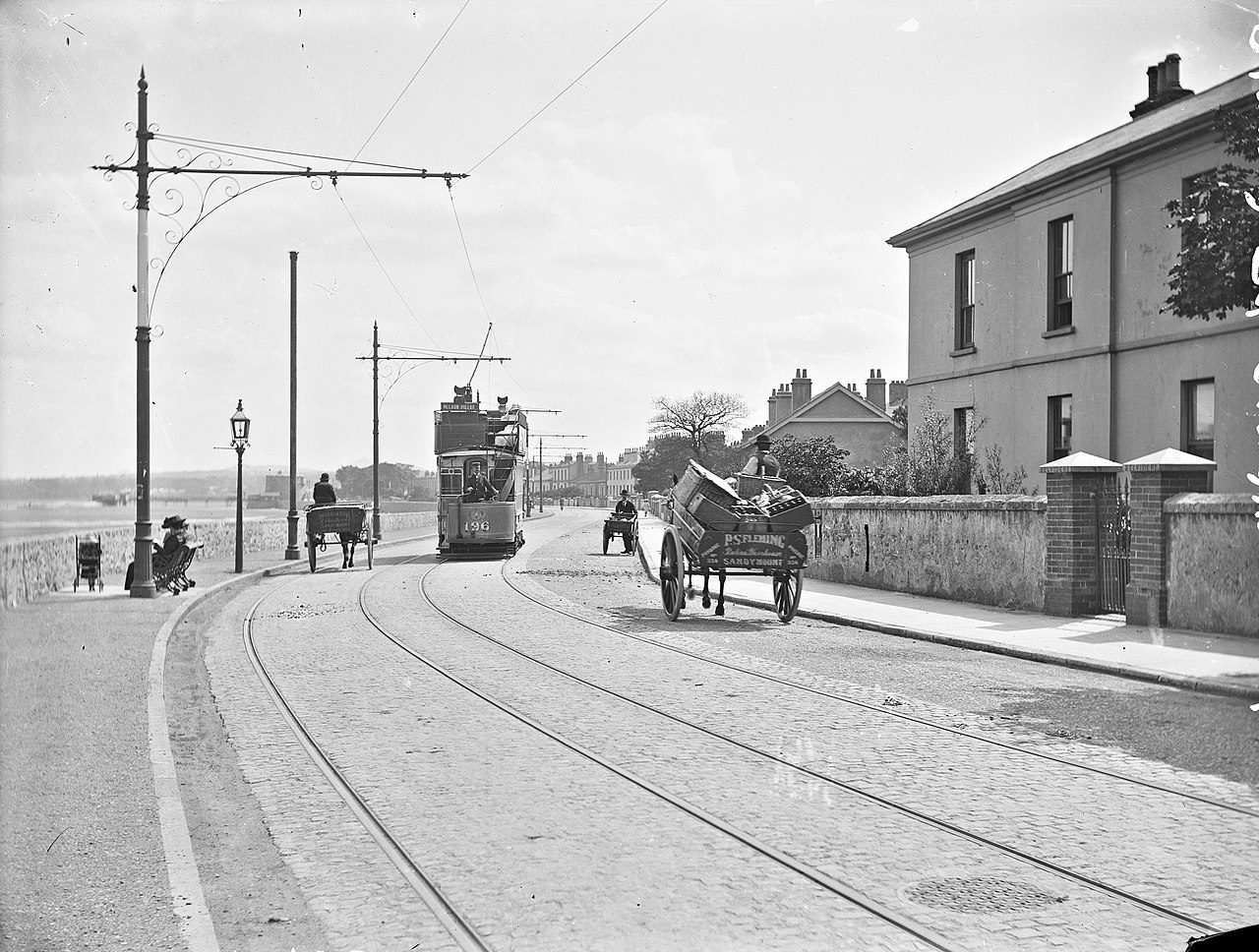
Won't you come to Sandymount, Madeline the mare?
Reading Room Archive
Enter the Reading Room →“Ineluctable modality of the visible.”
What actually happens
Stephen walks the beach, lost in dense philosophical thought about perception, memory, and shape-shifting. A famously interior chapter.
- Beat 01Closing the eyes
Stephen tests the limits of sight, walking with his eyes shut to feel the world by sound. The chapter is almost entirely inside his head.
- Beat 02Aunt Sara's house
He imagines, then declines, a visit to his uncle Richie Goulding's house — a quiet picture of family failure.
- Beat 03Paris memories
He remembers his student months in Paris: cheap cafés, telegrams, his mother's death pulling him home, the cheap-looking artist he was trying to be.
- Beat 04Cocklepickers and a dog
A pair of cockle-pickers and their dog cross the strand. The dog sniffs at a drowned corpse Stephen has been told about. He writes a few lines of verse on a scrap of Deasy's letter.
- Beat 05The leaving
He pisses against a rock, picks a scab, glances over his shoulder — and on that small private gesture the chapter ends.
Accessible Ulysses
Modern prose · plain EnglishLate morning, alone on Sandymount Strand with an hour to kill. Nothing external happens here. Stephen walks along the tideline and the chapter is simply the inside of his head, recorded almost in real time. He plays with the philosophical idea that we only know the world through our senses, tests it by closing his eyes and listening to his own footsteps, and slides off into memory: his student days in Paris pretending to be a bohemian, his uncle's grim flat, his mother's death, a drowned man whose corpse is expected to wash up nearby, the rhythm of the sea, the way language slips between meanings. He picks his nose, has a wee behind a rock, scribbles four lines of poetry on a scrap torn from Deasy's letter. The chapter is a stress-test for the reader — this is what Joyce's stream-of-consciousness really feels like at full strength — but it's also about a young man trying to think his way out of grief and failure with only his own clever brain for company, and discovering, slightly, that it isn't enough. He's lonely. The book is about to introduce him to someone who, without ever quite saying so, will offer him a way out.
Going deeper
Why is Proteus difficult?
Because Joyce gives you Stephen's mind with no handrails. The episode is dense with allusions — to Aristotle, Berkeley, Dante, scripture, and several languages — and there's almost no external action to orient you. This is interior monologue at full intensity, which is also why it's a touchstone in any account of why Ulysses is difficult.
What should you focus on while reading it?
- Follow the feeling, not the footnotes. Read for mood and rhythm before meaning.
- Hold the recurring threads. Perception, change, his mother, his ambitions — these return.
- Let the allusions go. Catch what you can; nobody catches all of it.
- Reread the opening lines. "Ineluctable modality of the visible" rewards a second pass.
Common questions
- What happens in Proteus, the third episode of Ulysses?
- In Proteus, Stephen Dedalus walks alone along Sandymount Strand at about 11 a.m., and almost nothing 'happens' externally. The episode is his unbroken interior monologue — a flow of philosophy, memory, and perception as he thinks about reality, his family, and his future.
- Why is Proteus so difficult?
- Proteus is hard because it's almost pure interior monologue, packed with allusions to philosophy, theology, and languages, with little external action to anchor you. Joyce removes the usual signposts and asks you to follow Stephen's mind directly.
- What should I focus on while reading Proteus?
- Don't try to decode every line. Follow the rhythm and the recurring concerns — perception, change, his mother's death, his ambitions — and let the difficult references wash past. The feeling and movement matter more than full comprehension.
- Why is the episode called Proteus?
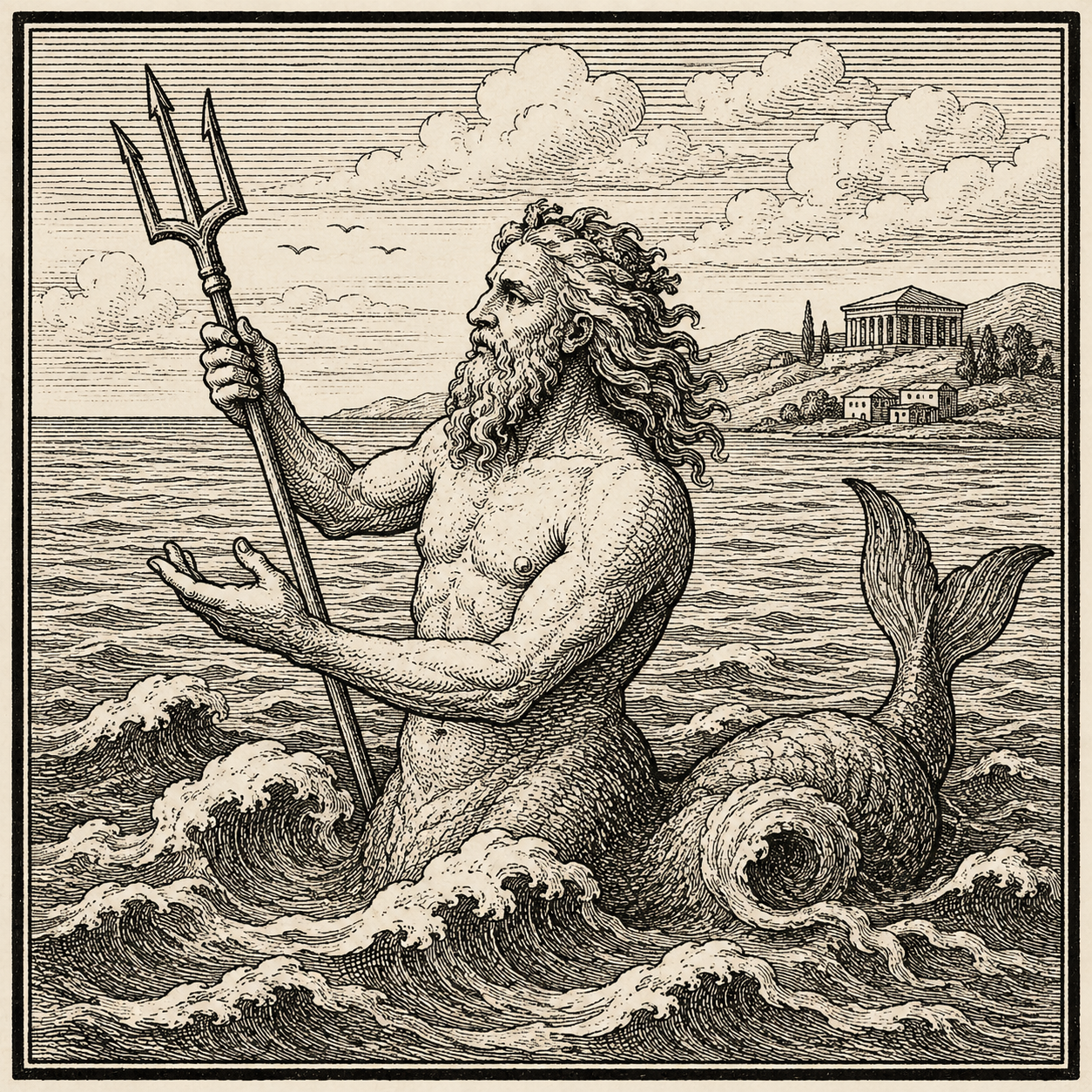
- Proteus is the shape-shifting sea god of the Odyssey, whom you must hold fast as he changes form. The episode is about flux — the way matter, perception, and identity keep transforming — mirrored in Stephen's restless, shifting thoughts on the shore.
Schema · Linati / Gilbert
- Scene
- The Strand
- Hour
- 11:00 AM
- Organ
- —
- Art
- Philology
- Color
- Green
- Symbol
- Tide
- Technic
- Monologue (male)
- Correspondence
- Proteus
Homeric parallel
Proteus
Joyce mapped each chapter to an episode of Homer's Odyssey. This one echoes Proteus — not as direct retelling but as structural shadow.
Key themes
Continue reading
Keep exploring Proteus and how it connects across Joyce's Ulysses.
- Proteus: the Homeric parallelHow Proteus echoes Homer's Odyssey.
- Who's who in UlyssesMeet Leopold Bloom, Stephen Dedalus, and the cast of Dublin.
- Themes in UlyssesThe ideas that run beneath every episode.
- Dublin locations in UlyssesSee where Sandymount Strand sits on Bloom's day.
- Daily Ulysses reading companionRead the whole novel in about six months, one step a day.
- All 18 episode summariesBrowse every chapter of Ulysses in plain English.