Calypso
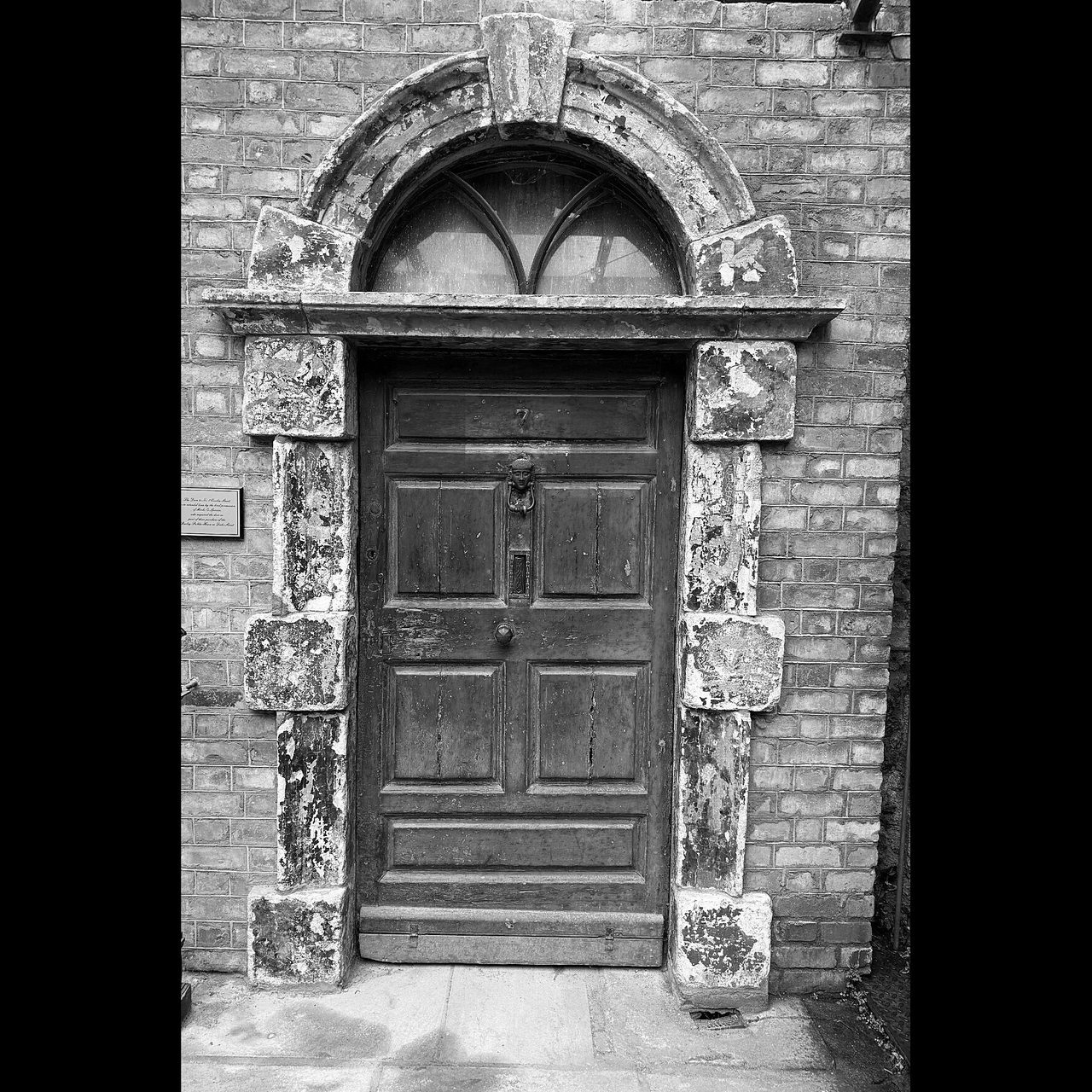
“Mr. Leopold Bloom ate with relish the inner organs of beasts and fowls.”
What actually happens
Leopold Bloom arrives. He cooks a kidney for breakfast, feeds the cat, brings Molly her post — including a letter from Blazes Boylan — and quietly senses what's coming.
- Beat 01Bloom in the kitchen
We meet Leopold Bloom — 38, advertising canvasser, husband of Molly — making breakfast and talking to the cat with surprising tenderness.
- Beat 02Out for a kidney
He walks to Dlugacz's butcher shop for a pork kidney, daydreaming about an oriental land in the morning sun and noticing a neighbour's daughter ahead of him on the pavement.
- Beat 03The morning post
Back home, he brings Molly her letters in bed. One is from their daughter Milly in Mullingar; one is from Blazes Boylan, the man who will visit Molly that afternoon. Bloom sees the handwriting and says nothing.
- Beat 04Word for the day
Molly asks him what 'metempsychosis' means; he answers as best he can. The kidney burns on the stove. He rescues it, eats, reads Milly's letter again.
- Beat 05Outhouse and bell
He takes a magazine to the privy in the garden, reads a prize story, and hears the bell of nearby George's Church toll for Dignam's funeral, which he must attend at eleven.
Accessible Ulysses
Modern prose · plain EnglishBack to eight in the morning, but in a different house and a different head. This is where we meet Leopold Bloom: thirty-eight, Jewish by background, baptised Protestant and then Catholic for love, working as an ad salesman, living at 7 Eccles Street with his wife Molly. He's in the kitchen making her breakfast. He likes the inner organs of animals; he fries a pork kidney, feeds the cat in a small considered conversation, walks round the corner to the butcher's, daydreams about the swing of a servant girl's hips, walks home. Upstairs Molly is still in bed. He brings up her tea and her post, and among the letters is one from Blazes Boylan — her concert manager, and the man Bloom already quietly knows is going to come round at four o'clock that afternoon and sleep with her. He doesn't confront it. He goes back downstairs, reads a chatty letter from their teenage daughter Milly who's working away from home, eats his kidney (slightly burnt), and takes the newspaper to the outhouse to empty his bowels. The chapter is doing something quietly radical: after three chapters inside the head of a brooding young intellectual, it drops us into a middle-aged man who is decent, curious, a bit lonely, attentive to small kindnesses, and carrying a private hurt he refuses to make anyone else carry. We are meant to like him immediately, and we do.
Going deeper
Why does Calypso matter so much?
Calypso is where the book changes temperature. After three episodes inside Stephen's brooding mind, Joyce winds the clock back to 8 a.m. and starts again with Leopold Bloom. The prose grows warmer and more sensory, and we settle into the consciousness we'll keep company with for most of the day. It is, in a real sense, the true beginning of the novel's heart.
What does Bloom's first appearance reveal?
Almost everything we need to love him. His appetite ("Mr Leopold Bloom ate with relish the inner organs..."), his attentiveness to Molly and the cat, his quiet ache over the coming affair, and his roving, curious mind are all here. The episode also plants the marriage at the centre of the book — the great subject of the themes in Ulysses.
How is Bloom different from Stephen?
Set Calypso beside the opening episodes and the contrast is striking. Where Stephen lives in abstraction and grief, Bloom lives in the body and the world — food, warmth, kindness, the small business of a household. Joyce needs both: the searching son and the gentle father whose paths will cross before the day is done. For the design behind it, see the Homeric parallels.
Common questions
- What happens in Calypso, the fourth episode of Ulysses?
- Calypso introduces Leopold Bloom at 8 a.m. on 16 June 1904. He makes breakfast, feeds the cat, buys a kidney from the butcher, brings his wife Molly her morning tea and post, reads a letter from his daughter Milly, and visits the outhouse. It's the ordinary, intimate start of Bloom's day.
- Why does Calypso matter so much?
- Calypso restarts the novel from Bloom's point of view, shifting the mood from Stephen's brooding intellect to Bloom's warm, sensory curiosity. It introduces the marriage, the household, and the everyday texture that the rest of the book builds on.
- What does Bloom's first appearance reveal?
- It reveals his appetites and his tenderness — his love of food, his attention to his wife and cat, his quiet awareness of Molly's coming affair, and the gentle, observant mind that makes him such an appealing hero.
- Why is the episode called Calypso?
- In the Odyssey, Calypso is the nymph who keeps Odysseus on her island, away from home. Molly, at home in bed, loosely mirrors that figure — the woman at the centre of Bloom's domestic world as his day's journey begins.
Schema · Linati / Gilbert
- Scene
- The House
- Hour
- 8:00 AM
- Organ
- Kidney
- Art
- Economics
- Color
- Orange
- Symbol
- Nymph
- Technic
- Narrative (mature)
- Correspondence
- Calypso
Homeric parallel
Calypso
Joyce mapped each chapter to an episode of Homer's Odyssey. This one echoes Calypso — not as direct retelling but as structural shadow.
Key themes
Continue reading
Keep exploring Calypso and how it connects across Joyce's Ulysses.
- Calypso: the Homeric parallelHow Calypso echoes Homer's Odyssey.
- Who's who in UlyssesMeet Leopold Bloom, Stephen Dedalus, and the cast of Dublin.
- Themes in UlyssesThe ideas that run beneath every episode.
- Dublin locations in UlyssesSee where 7 Eccles Street sits on Bloom's day.
- Daily Ulysses reading companionRead the whole novel in about six months, one step a day.
- All 18 episode summariesBrowse every chapter of Ulysses in plain English.